Bridging science, policy, and community action
Funded by the Department of Foreign Affairs and Trade (DFAT), the SciCoPH project aims to bridge the gap between scientific research and public engagement to foster more effective policy and community action. Indonesia faces pressing environmental and health challenges, from climate change and deforestation to air pollution and emerging infectious diseases. Effective science communication is essential to addressing these issues, ensuring that scientific knowledge reaches policymakers, educators, and the broader community in ways that drive meaningful change. However, communicating complex scientific data in an accessible and compelling way remains a significant challenge, particularly in regions where public trust in science varies widely.
Strengthening science communication strategies
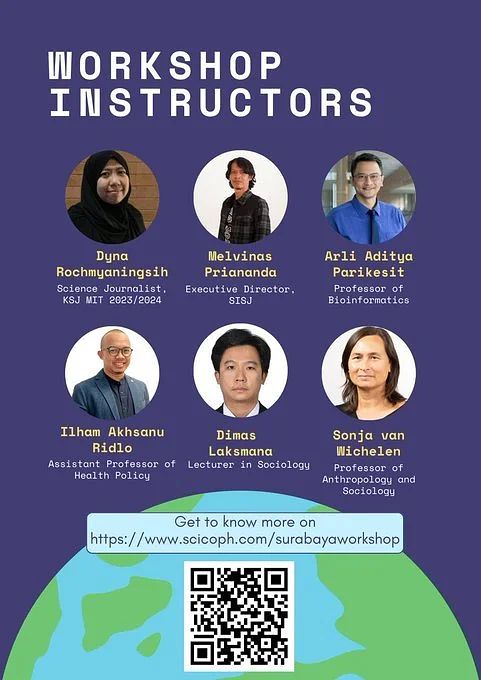
Working in collaboration with the Society of Indonesian Science Journalists (SISJ), the Science Journalists Association of Australia (SJAA), and the University of Sydney’s Sydney Southeast Asia Centre (SSEAC), Professor van Wichelen’s project will focus on developing communication strategies around planetary health that resonate with diverse Indonesian audiences.
This includes training early career journalists and science communicators in storytelling techniques, multimedia engagement, and cross-sector collaborations. These efforts aim to enhance the effectiveness of science journalism, educational outreach, and governmental policy discussions to promote sustainable solutions for environmental and health concerns.
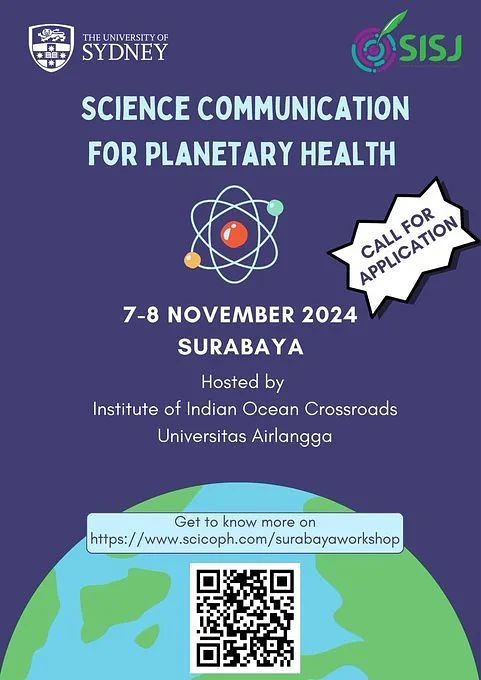
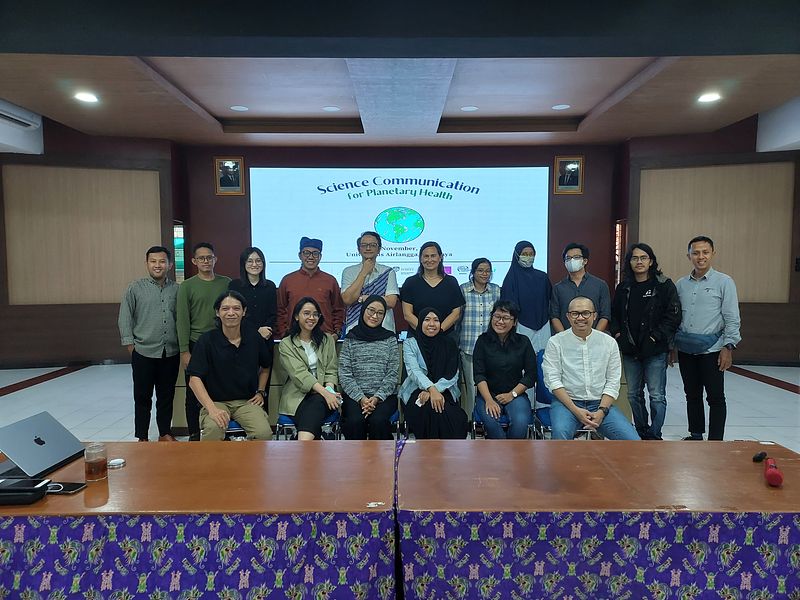
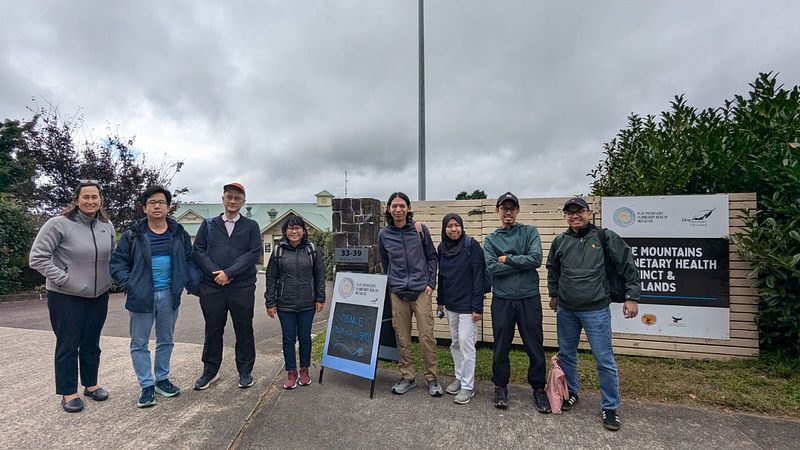
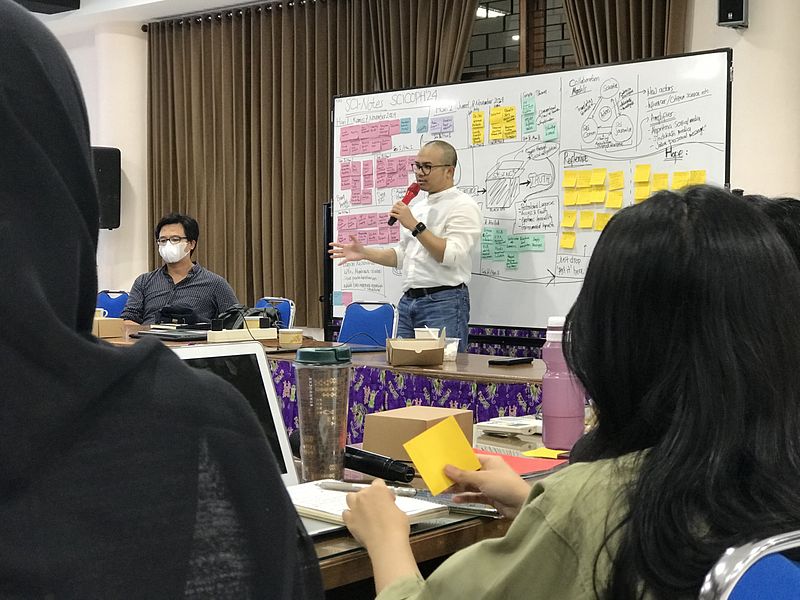
The initiative involves a series of workshops, training sessions, and public engagement activities in Indonesia and Australia.
By equipping scientists and journalists with the tools to communicate and interrogate complex scientific concepts, the project aims to foster a more informed and proactive public discourse on planetary health.
The project will also explore the role of digital platforms and social media in science communication, recognizing the growing influence of online discourse in shaping public understanding of environmental and health issues.
By leveraging digital tools, researchers hope to reach younger generations and rural communities, making planetary health discussions more inclusive and widespread. Additionally, the project will analyse case studies of successful science communication efforts in Australia and Southeast Asia to develop best practices that can be adapted to the Indonesian context.
By fostering connections between researchers, communicators, and local communities, this initiative will contribute to building a stronger science-literate society that can address the pressing environmental and health crises of our time.